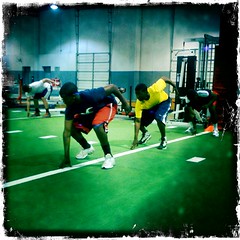
April is National Youth Sports Safety Month. From competitive and elite athletes interested in maximizing their performance, to individuals looking to maintain their active lifestyles, the Athletic Performance Center provides exceptional care for any need related to sports and exercise. Here are some tips to keep youth healthy and in the game.
General Safety Tips:
- Make sure your child uses the proper protective sports gear, such as mouth guards or eye protection for a particular sport.
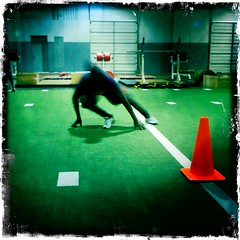
- Perform a Dynamic Warm up before exercise. This can help minimize the chance of muscle strain or other soft tissue injury during activity. Warm up exercises make the body's tissues more flexible and ready for the demands of sports activity.
- Wear sunscreen and a hat (where possible) to reduce the chance of sunburn, which is actually an injury to the skin.
- Stay properly hydrated while playing.
- Treat Injuries with R.I.C.E.
- Rest. Reduce or stop using the injured area for 48 hours. If you have a leg injury, you may need to stay off of it completely.
- Ice. Put an ice pack on the injured area for 20 minutes at a time, 4 to 8 times per day. Use a cold pack, ice bag, or a plastic bag filled with crushed ice that has been wrapped in a towel.
- Compression. Compression of an injured ankle, knee, or wrist may help reduce the swelling. These include bandages such as elastic wraps, special boots, air casts and splints. Ask your doctor which one is best.
- Elevation. Keep the injured area elevated above the level of the heart. Use a pillow to help elevate an injured limb.
Injuries are common while playing sports. Below are some common childhood sports injuries. Know the warning signs of a serious injury.
Sprains and Strains : These injuries are very common in active children and adolescents. A sprain is an injury to a ligament, a tough and fibrous connection between two bones. Sprain injuries typically involve stretching or tearing of the ligament. A strain is an injury that occurs to a tendon, another type of connective tissue that connects muscle to bone.
While these injuries are typically minor and resolve quickly without seeking medical attention, there are several key factors that should be kept in mind when deciding if your child needs to see a physician or not. If your child experiences any of the following, see a physician as soon as possible:
- Severe pain, inability to move or put weight on the injured area
- You cannot touch the injured area without severe pain
- Any lumps or bumps that look different than the uninjured side
- Buckling occurs when attempting to use an injured joint
- Numbness around the injured area
- Red color surrounding or streaking from the injured joint or foot
- Multiple injuries to the same area or joint
Growth Plate Injuries: All growing bones have an area called the physes or “growth plate” where special cells cause lengthening of bone in children and adolescents. These areas are very susceptible to injury, and can often mimic a simple sprain or strain. If a suspected sprain or strain is not improving within 48 hours, it could potentially be a more serious growth plate injury.
All injuries to the growth plate may cause a problem with bone growth, therefore it is very important to have these injuries identified and treated early. The specific amount of injury to a growth plate can be determined with a basic x-ray. Most growth plate injuries that do not require surgery do very well with immobilization of the area and appropriate time off before returning to active play.
Girls may continue to grow late into their teens and boys through the early 20’s, so it is always important to keep these potentially serious injuries in mind if your child is hurt while playing.
Repetitive Motion Injuries: Active children can be at risk for repetitive motion or “overuse injuries” the same as adults. All major joints of the body are at risk for developing repetitive motion injuries, although in children the shoulders, elbows, knees, and ankles are most at risk. Overuse injuries may occur if your child participates in a specific sport or activity on a very regular basis. Pain will typically develop slowly over time, often getting to the point where playing is no longer possible. It is very important that children in organized sports learn proper techniques related to their sport in order to protect their growing bodies and avoid injuries that may prevent them from having fun and living a healthy lifestyle.
Heat Injuries: Heat tolerance is much lower in children than adults. Children have a reduced sweating capacity and greater body surface area to weight ratio as compared to adults, which places children at a much higher risk of overheating when exercising and playing vigorously. When a child becomes dehydrated, their core body temperature rises significantly faster than an adult, leading to potentially deadly consequences within 20 minutes if overheating develops and is not recognized.
Symptoms that may be signs that your child is suffering a heat related illness include:
- muscle cramps
- rapid heart rate
- nausea
- vomiting
- headache
- poor coordination
- confusion
- irritability
If there is any suspicion that this may be an issue for your child, evaluation at an emergency department is the best plan.
Tips for Exercising Safely in Hot Weather : Recognize the dangers of playing in the heat.
- Respond quickly if heat-related injuries occur
- Schedule regular fluid breaks during practice and games.
- Drinking water is the best choice; other suitable liquids include fruit juices and sports drinks
- Kids need to drink 8 ounces of fluid every 20 minutes while playing an active sport, plus more after playing
- Wear light-colored, "breathable" clothing, and wide-brimmed hats
- Use misting water sprays on the body to keep cool